Recycle Symbol with Playful Mono 7 Review
A First Glance at Recycle Symbol with Playful Mono 7
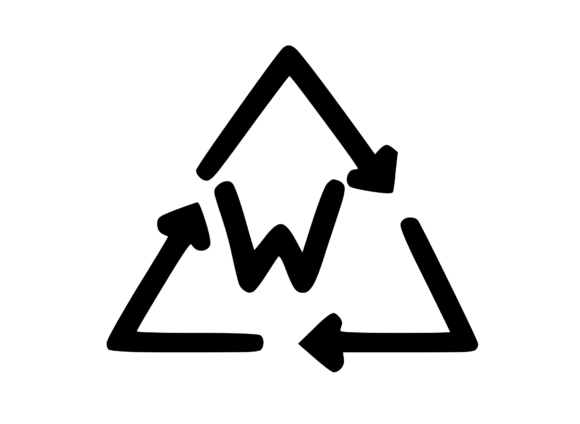
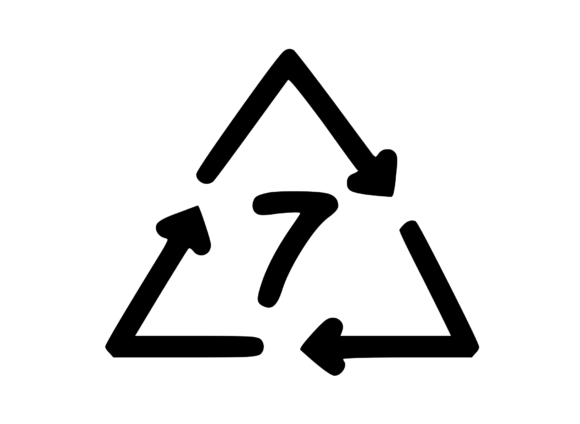
When I first opened the Recycle Symbol with Playful Mono 7, I was immediately drawn to its whimsical take on a familiar icon. The design brings a fresh, modern twist to the classic three-arrow symbol, making it feel both nostalgic and contemporary. Its playful curves and clean lines give off an eco-friendly vibe that's perfect for sustainable branding or personal expression.
The overall mood of this design is light-hearted yet purposeful. It feels like something you'd see on a tote bag from a small artisan shop or a patch on a child’s backpack. The layout is simple but effective, with just enough detail to make it visually engaging without overwhelming the eye.
How It Stands Up in Real Embroidery Projects
I tested this design on a few different projects to get a sense of how it would perform in real life. One of my favorites was applying it to a custom embroidered tote bag. The symbol stitched up beautifully, with clear definition and a soft texture that complemented the fabric well. It stood out without being too bold, which made it ideal for a casual, everyday item.
On a sweatshirt, the design maintained its clarity even when viewed from a distance. This makes it great for larger apparel items where the viewer might not be right up close. For smaller items like caps or patches, I found that the design still worked well, though I did have to adjust the stitch density slightly to maintain its shape on curved surfaces.
Another interesting use case was incorporating it into baby clothes. The gentle curves and non-threatening appearance made it a safe choice for young children’s wear. It also added a subtle message of sustainability without being too overt.
Where to Use with Caution
While Recycle Symbol with Playful Mono 7 is versatile, there are some situations where extra care is needed. On very small hoop sizes, the details can become lost, so it’s best to avoid using it on anything smaller than a 4x4 inch hoop. Textured fabrics may affect the final look, so testing it on scrap material first is always a good idea.
Thin or stretchy fabrics may require additional stabilizer to keep the design from distorting. Dark-colored fabrics can also be tricky since the contrast between the thread and fabric plays a big role in visibility. If you're planning to use it on dark backgrounds, consider using a bright thread color or adjusting the stitch density for better definition.
Layered garments or products that need frequent washing may also present challenges. Over time, the embroidery could lose some of its crispness if not properly cared for. Always advise customers on proper washing instructions if you’re selling finished products with this design.
Design Impact and Practical Considerations
This design adds a touch of personality to any project while also communicating a meaningful message. Whether it's used on a handmade product or as part of a commercial embroidery project, it enhances visual appeal without being overly complex. The stitching clarity is impressive, especially when using a high-quality stabilizer and appropriate thread colors.
For Etsy sellers or craft business owners, this design can be a great addition to their product line. It elevates the handmade presentation and gives a sense of brand consistency. As a personalized gift, it can add a unique touch that stands out from generic options.
One thing to note is that this design works equally well for personal and commercial use. However, before selling any finished items or digital products, it’s important to confirm the licensing terms. This ensures that you’re within the legal boundaries and avoids any potential issues down the line.
Embroidery Designer Notes
If you're considering using Recycle Symbol with Playful Mono 7 in your next project, here are a few practical tips:
- Test on scrap fabric first: This helps identify any potential issues with stitch density or thread visibility.
- Check thread color contrast: Ensure the chosen thread color works well with your fabric background.
- Review stitch density: Adjust if needed to prevent distortion or overcrowding of stitches.
- Confirm hoop size: Make sure the design fits comfortably within your hoop to avoid stretching or warping.
- Inspect small details: Look closely at corners and curves to ensure they stitch cleanly.
- Test in black and white mockups: This helps assess how the design will look on different fabric colors.
- Use proper stabilizer: Especially on delicate or stretchy fabrics to maintain the integrity of the design.
Whether you're an apparel decorator, handmade shop owner, or creative entrepreneur, this design has the potential to enhance your work. Just remember to approach it with the same attention to detail that you’d apply to any other machine embroidery design.